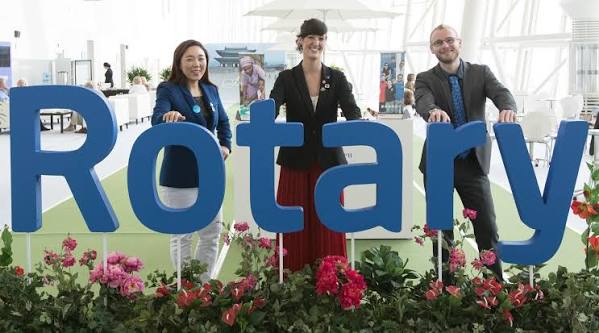
Education has long been recognized as one of the most powerful tools for fostering international understanding, peace, and development. In an increasingly interconnected world, opportunities that enable students to study abroad and engage with diverse cultures are invaluable. Among the various international scholarship programs that have existed over the years, the Rotary Ambassadorial Scholarship stands out as one of the most influential initiatives dedicated to promoting goodwill and mutual understanding among nations.
The Rotary Ambassadorial Scholarship was established by Rotary International as a means of supporting talented students who wished to pursue academic studies in countries other than their own. Beyond providing financial assistance, the scholarship aimed to develop cultural ambassadors who would serve as representatives of their home countries while learning from their host communities. Through academic excellence, cultural exchange, and community service, scholarship recipients contributed significantly to Rotary’s mission of advancing international peace and understanding.
This article explores the history, objectives, benefits, eligibility requirements, application process, impact, and legacy of the Rotary Ambassadorial Scholarship. It also examines how the program contributed to global development and continues to inspire educational and cultural exchange initiatives worldwide.
Understanding Rotary International
To appreciate the significance of the Rotary Ambassadorial Scholarship, it is important to understand the organization behind it. Rotary International is a global service organization founded in 1905 by Paul Harris in Chicago, Illinois, United States. The organization began with a small group of professionals who sought to combine friendship, ethical business practices, and community service.
Over the decades, Rotary expanded rapidly and established clubs across continents. Today, Rotary International comprises thousands of clubs and millions of members dedicated to addressing humanitarian challenges, promoting peace, supporting education, fighting diseases, and improving communities.
One of Rotary’s central beliefs is that meaningful international relationships contribute to peace and mutual understanding. This philosophy formed the foundation of the Ambassadorial Scholarship program.
History of the Rotary Ambassadorial Scholarship
The Rotary Ambassadorial Scholarship was introduced in 1947 following the death of Paul Harris, Rotary’s founder. Contributions made in his memory led to the creation of educational programs designed to strengthen international goodwill.
Initially established as a modest educational initiative, the scholarship evolved into one of the world’s largest privately funded international scholarship programs. For several decades, it enabled thousands of students to pursue studies abroad while acting as cultural ambassadors.
The program experienced tremendous growth during the latter half of the twentieth century. Students from diverse academic disciplines participated in the scholarship and studied in universities across the globe. By combining academic learning with cultural immersion and public engagement, the program achieved objectives beyond traditional scholarship schemes.
Although the Ambassadorial Scholarship program was eventually replaced by Rotary Foundation Global Grants and other educational initiatives, its legacy remains significant. Many former scholars have become leaders in government, academia, business, healthcare, and nonprofit organizations.
Objectives of the Rotary Ambassadorial Scholarship
The Rotary Ambassadorial Scholarship was designed with several important objectives:
1. Promoting International Understanding
The primary goal of the scholarship was to foster understanding among people from different cultural, religious, and national backgrounds. Scholars were encouraged to interact with local communities and share their experiences, helping to reduce stereotypes and misconceptions.
2. Advancing Peace
Rotary believes that peace is built through dialogue, cooperation, and mutual respect. By enabling students to live and study in foreign countries, the scholarship created opportunities for peaceful intercultural engagement.
3. Supporting Educational Excellence
The scholarship recognized talented students with strong academic records and leadership potential. Recipients gained access to quality educational institutions and advanced learning opportunities.
4. Developing Future Leaders
Scholars were expected to become leaders capable of influencing positive change in their communities. Leadership development was an integral aspect of the program.
5. Encouraging Community Service
Rotary places great emphasis on service above self. Scholarship recipients were encouraged to participate in community activities and humanitarian projects both during and after their studies.
Categories of Ambassadorial Scholarships
Over time, Rotary International offered different categories of Ambassadorial Scholarships to accommodate varying educational goals and academic needs.
Academic-Year Ambassadorial Scholarship
This was the most common category. It provided funding for one academic year of study abroad at an approved institution. Students had the opportunity to immerse themselves in a new educational and cultural environment.
Multi-Year Ambassadorial Scholarship
This category supported students pursuing degree programs that required two or more years of study. Funding covered a significant portion of educational expenses throughout the duration of the program.
Cultural Ambassadorial Scholarship
Designed for intensive language and cultural studies, this scholarship focused on strengthening communication and cultural understanding. Participants engaged deeply with the traditions and customs of their host countries.
These categories reflected Rotary’s commitment to accommodating diverse educational pathways while maintaining the broader mission of cultural exchange.
Benefits of the Rotary Ambassadorial Scholarship
The scholarship provided numerous benefits to recipients.
Financial Support
One of the most significant advantages was financial assistance. Depending on the category, funding covered expenses such as:
- Tuition fees
- Accommodation
- Transportation
- Academic materials
- Living expenses
- Travel costs
This support enabled students from various economic backgrounds to access international educational opportunities.
Academic Growth
Studying abroad exposed scholars to new teaching methods, research opportunities, and academic perspectives. Students developed critical thinking skills and gained knowledge relevant to their fields.
Cultural Exposure
Living in a foreign country allowed scholars to experience different traditions, languages, customs, and social systems. Such experiences broadened their worldview and enhanced cultural sensitivity.
Professional Development
International education strengthened scholars’ resumes and increased their competitiveness in the global job market. Many participants developed professional networks that benefited their future careers.
Leadership Skills
Through interactions with Rotary clubs, community organizations, and educational institutions, scholars enhanced their leadership, communication, and problem-solving abilities.
Global Networking
The program connected students with Rotary members, fellow scholars, academics, and professionals from around the world. These relationships often continued long after the scholarship period ended.
Eligibility Requirements
Although specific requirements varied by district and year, applicants generally needed to meet several criteria.
Academic Excellence
Applicants were expected to demonstrate strong academic performance. High grades and evidence of intellectual capability were important selection factors.
Leadership Potential
Rotary sought individuals who had shown leadership abilities through school activities, community projects, volunteer work, or professional experience.
Commitment to Service
Candidates with a history of community involvement and humanitarian service were highly regarded.
Communication Skills
Because scholars acted as ambassadors, strong communication and interpersonal skills were essential.
Cultural Adaptability
Applicants needed to demonstrate openness to new experiences and an ability to adapt to different cultural environments.
Citizenship Requirements
Candidates typically applied through Rotary districts in their home countries and were required to meet local eligibility standards.
Application Process
The application process was competitive and rigorous.
Step 1: Contacting a Local Rotary Club
Prospective applicants usually began by contacting a Rotary club or district in their area. Rotary members provided information about eligibility requirements and deadlines.
Step 2: Completing the Application
Candidates submitted detailed applications containing:
- Academic transcripts
- Personal statements
- Letters of recommendation
- Educational goals
- Community service records
Step 3: Interviews
Shortlisted candidates participated in interviews conducted by Rotary representatives. These interviews assessed academic qualifications, leadership potential, communication skills, and cultural awareness.
Step 4: District Selection
Successful candidates were nominated by their Rotary districts and advanced through the selection process.
Step 5: Orientation and Preparation
Selected scholars attended orientation sessions that prepared them for their roles as cultural ambassadors and international students.
Responsibilities of Rotary Scholars
Receiving a Rotary Ambassadorial Scholarship involved responsibilities beyond academic study.
Acting as Cultural Ambassadors
Scholars represented both Rotary International and their home countries. They were expected to promote positive cultural exchange and foster understanding among people from diverse backgrounds.
Delivering Presentations
Many scholars gave presentations to Rotary clubs, educational institutions, and community groups. These presentations highlighted their home cultures, academic pursuits, and international experiences.
Participating in Rotary Activities
Recipients often attended Rotary meetings, conferences, and service projects in their host countries.
Maintaining Academic Standards
Students were required to maintain satisfactory academic performance throughout the scholarship period.
Reporting Progress
Regular reports allowed Rotary to monitor scholars’ educational achievements and community engagement.
Impact on Scholars
The impact of the Rotary Ambassadorial Scholarship extended far beyond financial assistance.
Personal Transformation
Living abroad challenged scholars to adapt, learn, and grow. Many participants reported increased confidence, independence, and resilience.
Enhanced Global Awareness
Exposure to different cultures broadened scholars’ perspectives on social, economic, and political issues.
Career Advancement
International experience often opened doors to employment opportunities in multinational organizations, academic institutions, and governmental agencies.
Lifelong Friendships
Many scholars formed lasting friendships with people from different countries and cultures, strengthening international connections.
Impact on Communities
The scholarship benefited not only individual recipients but also communities around the world.
Cultural Exchange
Host communities gained opportunities to learn about foreign cultures through interactions with scholars.
Knowledge Transfer
Returning scholars often applied their international experiences to local development initiatives.
Community Development
Many alumni became involved in projects addressing education, health, environmental sustainability, and economic development.
Strengthening International Relationships
The program fostered friendships and partnerships that contributed to global cooperation.
Success Stories and Notable Achievements
Thousands of Ambassadorial Scholars have made significant contributions in various fields.
Some alumni have become:
- University professors and researchers
- Medical professionals
- Government officials
- Business executives
- Social entrepreneurs
- Nonprofit leaders
Their achievements demonstrate the transformative power of international education and cultural exchange.
Many former scholars have continued to support Rotary initiatives, mentor younger students, and participate in humanitarian projects.
Challenges Faced by Scholars
Despite its many advantages, studying abroad through the scholarship could present challenges.
Cultural Adjustment
Adapting to a new environment often required overcoming language barriers, social differences, and unfamiliar customs.
Academic Differences
Educational systems vary significantly across countries. Scholars sometimes needed time to adjust to new teaching methods and expectations.
Homesickness
Being away from family and familiar surroundings could be emotionally challenging.
Financial Management
Although the scholarship provided substantial support, students still needed to manage expenses responsibly.
These challenges often became valuable learning experiences that contributed to personal growth.
Transition to Global Grants
In 2013, Rotary International restructured its educational programs under the Future Vision Plan. The Ambassadorial Scholarship program was replaced by Global Grant Scholarships and other Rotary Foundation initiatives.
The new system focuses on Rotary’s areas of focus, including:
- Peacebuilding and conflict prevention
- Disease prevention and treatment
- Water, sanitation, and hygiene
- Maternal and child health
- Basic education and literacy
- Community economic development
- Environmental sustainability
Although the Ambassadorial Scholarship no longer exists in its original form, its mission continues through these modern programs.
Lessons from the Rotary Ambassadorial Scholarship
The success of the Ambassadorial Scholarship offers important lessons for international education and development programs.
Education Builds Bridges
Educational exchange remains one of the most effective ways to foster mutual understanding among nations.
Cultural Immersion Matters
Meaningful interactions with local communities create deeper understanding than classroom learning alone.
Leadership Can Be Developed
Providing opportunities for young people to engage internationally helps cultivate future leaders.
Service Enhances Learning
Combining academic study with community service creates well-rounded individuals committed to positive social impact.
Global Cooperation Is Essential
Programs that bring people together across borders contribute to peace and sustainable development.
Conclusion
The Rotary Ambassadorial Scholarship was one of the most influential international educational programs of its time. By supporting academic excellence, cultural exchange, leadership development, and community service, it transformed the lives of thousands of students worldwide.
More than a scholarship, it was a platform for building bridges between cultures and fostering international goodwill. Scholars served as ambassadors of understanding, demonstrating that education can be a powerful force for peace and cooperation.
Although the program has evolved into newer Rotary Foundation initiatives, its legacy continues to inspire efforts aimed at promoting global citizenship and intercultural dialogue. The principles that guided the Ambassadorial Scholarship—service, leadership, education, and international understanding—remain as relevant today as ever.
In a world facing complex global challenges, the values embodied by the Rotary Ambassadorial Scholarship continue to remind us that meaningful connections between people and nations are essential for creating a more peaceful, inclusive, and prosperous future.
Leave a Reply