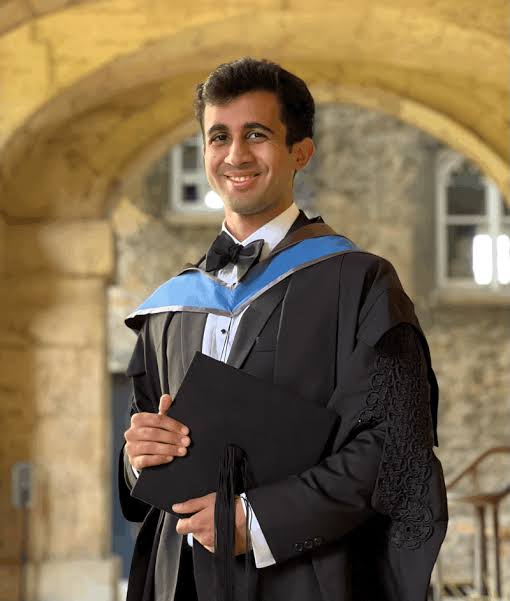
Education is one of the most powerful tools for personal growth, social mobility, and national development. However, the rising cost of education often becomes a major obstacle for many talented students. In Pakistan, thousands of students aspire to pursue higher education but face financial challenges that prevent them from achieving their academic goals. Scholarships serve as a vital solution by providing financial assistance and enabling deserving students to continue their education without the burden of excessive expenses.
Pakistani students have access to a wide range of scholarship opportunities offered by government institutions, universities, international organizations, private foundations, and foreign governments. These scholarships support students at different educational levels, including undergraduate, master’s, doctoral, and postdoctoral studies. They may cover tuition fees, living expenses, travel costs, research funding, and other educational needs.
This article explores the importance of scholarships for Pakistani students, the different types available, major scholarship programs, eligibility criteria, application procedures, benefits, challenges, and practical tips for securing scholarship opportunities.
Importance of Scholarships for Pakistani Students
Scholarships play a significant role in Pakistan’s educational landscape. They provide financial support to students who possess academic talent but lack sufficient resources. The importance of scholarships extends beyond financial assistance.
1. Promoting Equal Educational Opportunities
Many students from low-income families are unable to afford quality education. Scholarships create equal opportunities by allowing talented individuals to pursue their studies regardless of their economic background.
2. Encouraging Academic Excellence
Scholarship programs often reward students with outstanding academic performance. This motivates students to work harder and maintain high educational standards.
3. Supporting National Development
Educated individuals contribute positively to economic growth, innovation, and social progress. Scholarships help develop skilled professionals who can contribute to Pakistan’s development.
4. Reducing Financial Burden
Educational expenses can be overwhelming for many families. Scholarships reduce financial stress by covering tuition fees and other academic costs.
5. Promoting International Exposure
International scholarships allow Pakistani students to study abroad, gain global perspectives, and develop skills that can benefit both their careers and their country.
Types of Scholarships Available for Pakistani Students
Scholarships for Pakistani students come in various forms depending on funding sources, eligibility requirements, and educational levels.
Merit-Based Scholarships
These scholarships are awarded based on academic achievements, leadership qualities, extracurricular activities, or exceptional talents.
Examples include:
- University merit scholarships
- Academic excellence awards
- Top achiever scholarships
Need-Based Scholarships
Need-based scholarships are designed for students from financially disadvantaged backgrounds. Applicants usually need to provide evidence of their family income and financial circumstances.
Government Scholarships
The Government of Pakistan provides numerous scholarships through various ministries and educational bodies to support students at different levels.
International Scholarships
Many foreign governments and international organizations offer scholarships specifically for Pakistani students to pursue studies abroad.
Research Scholarships
Research scholarships support master’s and doctoral students conducting advanced academic research.
Sports and Talent Scholarships
Students with exceptional abilities in sports, arts, music, or other extracurricular activities may qualify for specialized scholarships.
Major Scholarship Providers in Pakistan
Several organizations provide scholarships to Pakistani students. These institutions play a crucial role in supporting educational advancement.
Higher Education Commission (HEC)
The Higher Education Commission is one of Pakistan’s leading educational bodies. It offers numerous scholarships for undergraduate, graduate, and doctoral studies both within Pakistan and internationally.
HEC scholarships often focus on:
- Academic excellence
- Research development
- Overseas education
- Specialized fields such as engineering, science, and technology
Provincial Governments
Provincial governments including Punjab, Sindh, Khyber Pakhtunkhwa, and Balochistan offer scholarships for deserving students.
These programs often target:
- Students from underdeveloped regions
- Minority communities
- Female students
- High-performing students
Universities
Many Pakistani universities provide their own scholarship programs. These may include:
- Merit scholarships
- Need-based aid
- Alumni-funded scholarships
- Research grants
Private Foundations
Several private organizations and charitable foundations support education through scholarship programs.
Examples include:
- Educational trusts
- Corporate social responsibility initiatives
- Non-governmental organizations
Popular National Scholarships for Pakistani Students
Ehsaas Undergraduate Scholarship Program
The Ehsaas Undergraduate Scholarship Program has become one of Pakistan’s largest need-based scholarship initiatives.
Key features include:
- Financial support for deserving students
- Tuition fee coverage
- Monthly stipends
- Special focus on students from low-income families
HEC Need-Based Scholarship
The Higher Education Commission collaborates with universities to provide need-based scholarships for financially challenged students.
Benefits include:
- Tuition fee coverage
- Educational assistance
- Financial support throughout degree completion
PEEF Scholarship
The Punjab Educational Endowment Fund (PEEF) supports deserving students across various educational levels.
The program focuses on:
- Merit-based assistance
- Financial need
- Special categories including orphaned students and minorities
Indigenous PhD Fellowship Program
This scholarship supports students pursuing doctoral studies in Pakistan.
Objectives include:
- Strengthening research capacity
- Developing highly qualified researchers
- Promoting innovation
International Scholarships for Pakistani Students
Many Pakistani students aspire to study abroad. Several prestigious international scholarships are available to help them achieve this goal.
Fulbright Scholarship
The Fulbright Program supports graduate studies in the United States.
Benefits may include:
- Tuition fees
- Living expenses
- Airfare
- Health insurance
The program encourages academic exchange and leadership development.
Commonwealth Scholarship
The Commonwealth Scholarship allows students from Commonwealth countries, including Pakistan, to pursue higher education in the United Kingdom.
Covered expenses often include:
- Tuition fees
- Travel expenses
- Living allowance
Chevening Scholarship
Chevening Scholarships are funded by the UK government.
They are awarded to future leaders who demonstrate:
- Academic excellence
- Leadership potential
- Professional achievements
DAAD Scholarship
Germany’s DAAD scholarship program supports international students in various disciplines.
Benefits include:
- Monthly stipend
- Research support
- Tuition assistance
Chinese Government Scholarship
China offers numerous scholarships to Pakistani students under bilateral educational agreements.
These scholarships often provide:
- Tuition fee waivers
- Accommodation
- Monthly allowances
Turkish Scholarships
Türkiye Scholarships attract students from around the world, including Pakistan.
They offer:
- Full tuition coverage
- Accommodation
- Language training
- Health insurance
Eligibility Criteria for Scholarships
Scholarship requirements vary depending on the program and funding organization. However, common eligibility criteria include:
Academic Performance
Most scholarships require strong academic records. Applicants may need to provide:
- Academic transcripts
- Degree certificates
- GPA records
Financial Need
Need-based scholarships require proof of financial hardship.
Supporting documents may include:
- Income certificates
- Salary slips
- Tax records
Language Proficiency
International scholarships often require language proficiency tests such as:
- IELTS
- TOEFL
- GRE
- GMAT
Leadership and Community Service
Many scholarship providers value leadership qualities and social contributions.
Applicants may need to demonstrate:
- Volunteer work
- Community projects
- Leadership roles
Research Proposal
Research scholarships typically require a detailed proposal outlining:
- Research objectives
- Methodology
- Expected outcomes
How to Apply for Scholarships
The scholarship application process requires careful planning and preparation.
Step 1: Research Available Scholarships
Students should begin by identifying scholarship opportunities that match their educational goals and qualifications.
Important considerations include:
- Eligibility requirements
- Application deadlines
- Funding coverage
- Study destination
Step 2: Prepare Required Documents
Common documents include:
- Academic transcripts
- National identity card
- Passport
- Recommendation letters
- Personal statement
- Curriculum vitae (CV)
Step 3: Write a Strong Personal Statement
A personal statement is often one of the most important components of an application.
It should highlight:
- Academic achievements
- Career aspirations
- Leadership experiences
- Motivation for applying
Step 4: Obtain Recommendation Letters
Recommendations from teachers, professors, or employers strengthen applications by providing evidence of academic and professional potential.
Step 5: Submit the Application
Students should carefully review all requirements before submission and ensure that applications are completed accurately.
Step 6: Prepare for Interviews
Some scholarship programs include interviews as part of the selection process.
Applicants should prepare by:
- Reviewing their application materials
- Practicing common interview questions
- Demonstrating confidence and professionalism
Benefits of Scholarships
Scholarships offer numerous advantages beyond financial assistance.
Financial Security
Students can focus on their studies without worrying about educational expenses.
Improved Academic Performance
Reduced financial stress often leads to better concentration and academic outcomes.
Career Advancement
Scholarship recipients gain access to quality education, increasing employment opportunities.
Networking Opportunities
Many scholarship programs connect students with:
- Academic experts
- Industry professionals
- Alumni networks
International Experience
Students studying abroad gain valuable global exposure and intercultural understanding.
Research Opportunities
Research scholarships provide funding and resources for innovative projects and academic contributions.
Challenges Faced by Scholarship Applicants
Despite the availability of numerous scholarships, students often encounter challenges.
Intense Competition
Thousands of students compete for a limited number of scholarship positions.
Lack of Awareness
Many students remain unaware of available scholarship opportunities.
Complex Application Procedures
Application requirements can be extensive and time-consuming.
Language Barriers
International scholarship applications may require advanced English proficiency.
Limited Guidance
Some students lack access to mentors who can assist with the application process.
Tips for Winning Scholarships
Students can improve their chances of success by following several strategies.
Maintain Strong Academic Performance
Good grades remain one of the most important factors in scholarship selection.
Develop Leadership Skills
Participation in extracurricular activities demonstrates initiative and leadership potential.
Gain Volunteer Experience
Community service reflects commitment, responsibility, and social awareness.
Prepare Early
Starting preparations months in advance allows students to gather documents and improve application quality.
Write Compelling Essays
A well-written essay can distinguish an applicant from competitors.
Apply to Multiple Scholarships
Submitting applications to several programs increases the likelihood of receiving funding.
Seek Professional Guidance
Teachers, counselors, and scholarship advisors can provide valuable assistance.
The Future of Scholarships in Pakistan
Pakistan’s educational sector continues to evolve, and scholarship opportunities are expanding. Government initiatives, private-sector involvement, and international partnerships are increasing access to higher education.
Emerging trends include:
- Digital scholarship application systems
- Increased funding for STEM fields
- Greater support for female education
- Expanded international collaboration
- Research-focused funding opportunities
As technology advances and educational institutions become more interconnected globally, Pakistani students will likely gain access to even more scholarship opportunities in the future.
Conclusion
Scholarships are a transformative force in the lives of Pakistani students. They provide access to education, reduce financial barriers, promote academic excellence, and create opportunities for personal and professional growth. Whether offered by government agencies, universities, private foundations, or international organizations, scholarships help students realize their ambitions and contribute positively to society.
For Pakistani students, securing a scholarship requires dedication, preparation, and persistence. By maintaining strong academic records, developing leadership skills, preparing high-quality applications, and staying informed about available opportunities, students can significantly increase their chances of success.
As Pakistan continues to invest in education and strengthen international academic partnerships, scholarships will remain an essential pathway toward educational empowerment, social mobility, and national progress. Students who take advantage of these opportunities can not only transform their own futures but also contribute meaningfully to the development of their communities and the nation as a whole.
Leave a Reply