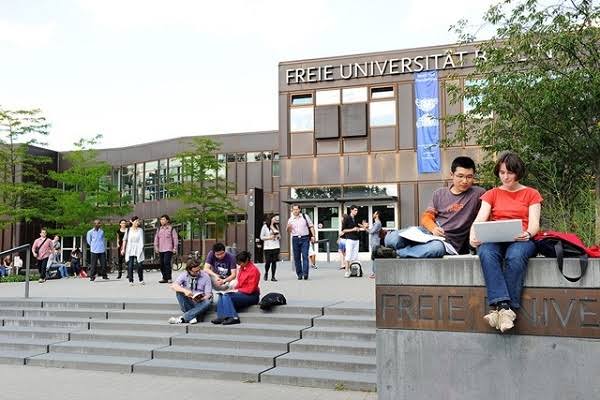
Pursuing higher education abroad is a dream for many students around the world. However, the rising cost of university tuition—especially in countries like the United States, Canada, and Australia—often makes this dream difficult to achieve. Fortunately, Europe offers a unique alternative: access to high-quality education at little or no tuition cost.
Several countries in Europe provide tuition-free or very low-cost university education, even for international students. These opportunities are especially attractive for students from developing countries who seek affordable access to world-class education.
This article explores tuition-free universities in Europe, how the system works, eligibility requirements, top countries offering free education, application procedures, benefits, challenges, and practical tips for students.
1. Understanding Tuition-Free Education in Europe
Tuition-free education does not always mean completely free in every case. In many European countries, public universities do not charge tuition fees or charge very low administrative fees. These fees are often much lower compared to tuition in other parts of the world.
The tuition-free model is supported by government funding. In most cases, European governments believe that education is a public good that benefits society as a whole. Therefore, they invest heavily in universities to ensure that students—both local and international—can access higher education without financial barriers.
Countries like Germany, Norway, Finland, Austria, and France are among the most popular destinations for affordable or tuition-free education.
2. Why Europe Offers Free or Low-Cost Education
Several reasons explain why many European countries provide free or nearly free university education:
2.1 Strong Welfare Systems
Many European countries operate under welfare systems that prioritize education, healthcare, and social security.
2.2 Government Funding
Public universities are heavily subsidized by the government, reducing the financial burden on students.
2.3 Economic Strategy
Educated populations contribute to economic growth, innovation, and skilled labor markets.
2.4 Equal Access to Education
Education is considered a fundamental right, not a privilege.
2.5 Internationalization
Many European countries aim to attract global talent to strengthen research and innovation.
3. Countries Offering Tuition-Free or Low-Cost Universities in Europe
Let’s explore the most popular European destinations where students can study for free or at very low cost.
3.1 Germany: The Most Popular Tuition-Free Destination
Germany is one of the most attractive destinations for international students due to its tuition-free public universities.
Key Features:
- No tuition fees at most public universities
- Only semester contributions (around €150–€350)
- High-quality education and globally ranked universities
- Many English-taught programs at postgraduate level
Top Universities:
- Ludwig Maximilian University of Munich
- Heidelberg University
- Technical University of Munich
Important Note:
Some federal states may charge tuition for non-EU students in special cases, but most remain tuition-free.
3.2 Norway: Free Education for All Students
Norway offers tuition-free education at public universities for both domestic and international students.
Key Features:
- No tuition fees at public universities
- High standard of living and education quality
- Many English-taught master’s programs
Top Universities:
- University of Oslo
- Norwegian University of Science and Technology
Important Note:
While tuition is free, living costs in Norway are very high, so students must plan for accommodation and expenses.
3.3 Finland: Free for EU Students, Affordable for Others
Finland used to offer completely free education, but now tuition policies depend on nationality.
Key Features:
- Free for EU/EEA students
- Tuition fees for non-EU students range from €4,000–€18,000 per year
- Many scholarships available for international students
Top Universities:
- University of Helsinki
- Aalto University
Scholarship Opportunities:
Many Finnish universities offer full or partial scholarships covering tuition and living expenses.
3.4 Austria: Low-Cost Education for International Students
Austria offers affordable education, especially in public universities.
Key Features:
- Low tuition fees (around €700–€1,500 per year for non-EU students)
- High-quality academic system
- Strong research environment
Top Universities:
- University of Vienna
- Graz University of Technology
3.5 France: Low Tuition Fees in Public Universities
France offers some of the lowest tuition fees in Europe for international students.
Key Features:
- Public universities charge very low fees (around €170–€600 per year)
- Wide range of English-taught programs
- Strong cultural and academic environment
Top Universities:
- Sorbonne University
- University of Paris-Saclay
3.6 Czech Republic: Free Education in Czech Language
Czech Republic offers tuition-free education for students who study in the Czech language.
Key Features:
- Free tuition in Czech-taught programs
- Low living costs compared to Western Europe
- Growing number of international programs
Top Universities:
- Charles University
- Czech Technical University in Prague
4. General Eligibility Requirements
Although requirements vary by country and university, most European tuition-free universities require:
4.1 Academic Qualifications
- High school diploma or equivalent for undergraduate programs
- Bachelor’s degree for master’s programs
4.2 Language Proficiency
- English: IELTS or TOEFL for English-taught programs
- Local language: required in countries like Czech Republic or Germany for some programs
4.3 Academic Records
Strong grades and transcripts are important for competitive programs.
4.4 Statement of Purpose
Many universities require a motivation letter explaining study goals.
4.5 Financial Proof
Some countries require proof of funds for living expenses, even if tuition is free.
5. Benefits of Studying in Tuition-Free Universities in Europe
5.1 Affordable Education
Students save thousands of dollars in tuition fees.
5.2 High Academic Standards
European universities are globally recognized for excellence.
5.3 International Exposure
Students interact with peers from all over the world.
5.4 Research Opportunities
Many universities offer advanced research facilities.
5.5 Career Opportunities
Graduates often find jobs in Europe or internationally.
6. Challenges of Tuition-Free Education in Europe
6.1 High Cost of Living
Countries like Norway and Germany can be expensive in terms of accommodation and daily expenses.
6.2 Language Barriers
Some programs require knowledge of local languages.
6.3 Competitive Admission
Tuition-free universities are often highly competitive.
6.4 Visa Requirements
Students must meet strict visa and financial requirements.
7. How to Apply to Tuition-Free Universities in Europe
Step 1: Choose a Country and Program
Research universities and available programs.
Step 2: Check Requirements
Review academic and language requirements.
Step 3: Prepare Documents
Common documents include:
- Passport
- Academic transcripts
- Language test results
- Motivation letter
- Recommendation letters
Step 4: Apply Online
Most universities have online application portals.
Step 5: Apply for Student Visa
After admission, apply for a student visa.
8. Tips for Getting Admission
8.1 Start Early
Applications often open months before deadlines.
8.2 Improve Language Skills
Strong English or local language skills increase chances.
8.3 Write a Strong Motivation Letter
Clearly explain your academic and career goals.
8.4 Apply to Multiple Universities
Increase your chances of acceptance.
8.5 Look for Scholarships
Even in tuition-free countries, scholarships can help cover living costs.
9. Scholarships in Tuition-Free Countries
Even in countries with free education, scholarships are available to support students.
Examples include:
- Erasmus+ Program (EU-wide scholarship system)
- DAAD Scholarships in Germany
- Government-funded grants in Finland and Austria
These scholarships often cover:
- Living expenses
- Travel costs
- Health insurance
Conclusion
Tuition-free education in Europe represents one of the most attractive opportunities for international students seeking affordable, high-quality education. Countries like Germany, Norway, Finland, Austria, France, and Czech Republic provide excellent academic programs with little or no tuition fees.
While challenges such as living costs and language barriers exist, the benefits far outweigh the difficulties. Students gain access to world-class education, international exposure, and strong career opportunities.
For ambitious students willing to explore global education opportunities, Europe remains one of the best destinations to achieve academic and professional success without the burden of high tuition fees.
Leave a Reply